





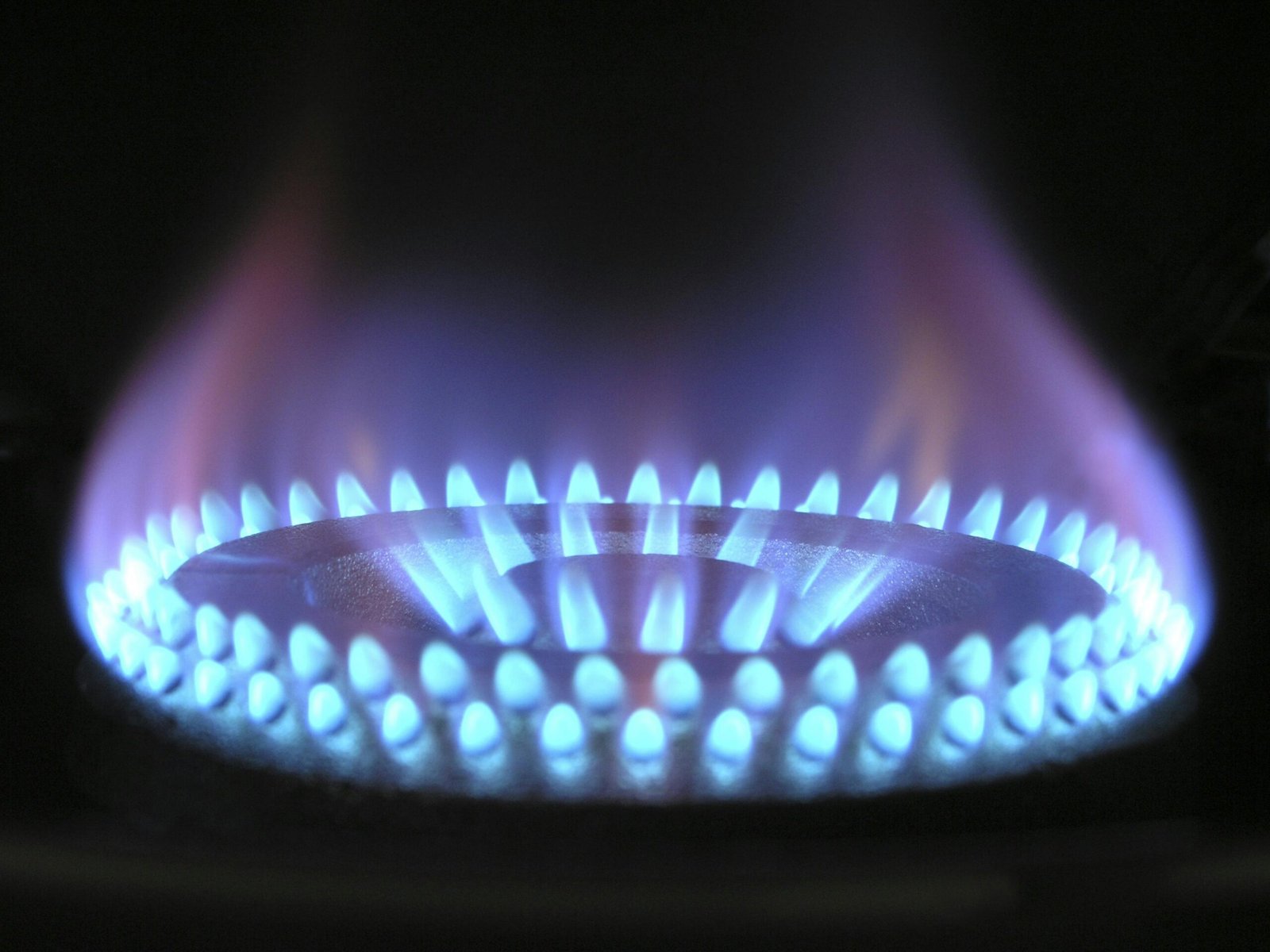
Energy shortages may appear to be global economic stories, but their most immediate impact is felt in the kitchen. When cooking gas becomes expensive or difficult to obtain, households must rethink how they cook, plan meals, and manage fuel resources.
Fortunately, small changes in kitchen habits can make a surprisingly large difference.
Understanding the kitchen as an economic center
The kitchen is more than a cooking space. It is one of the most active financial zones of a household. Every meal prepared efficiently saves money, energy, and time. During periods of fuel shortages, treating the kitchen like a resource management system becomes essential.
Use pressure cooking whenever possible
Pressure cookers significantly reduce cooking time and fuel consumption. Dishes such as dal, rajma, chole, potatoes, and vegetables cook faster and require less gas compared to open boiling. This simple tool can cut fuel usage dramatically over time.
Pre-soak grains and legumes
Soaking ingredients like chickpeas, kidney beans, and lentils overnight softens them and reduces the time required for cooking. This small habit improves kitchen efficiency and prevents unnecessary fuel consumption.
Cook multiple dishes together
When the gas stove is already running, preparing more than one dish simultaneously helps conserve fuel. Cooking dal, vegetables, and rice in one session uses less gas than starting the flame multiple times throughout the day.
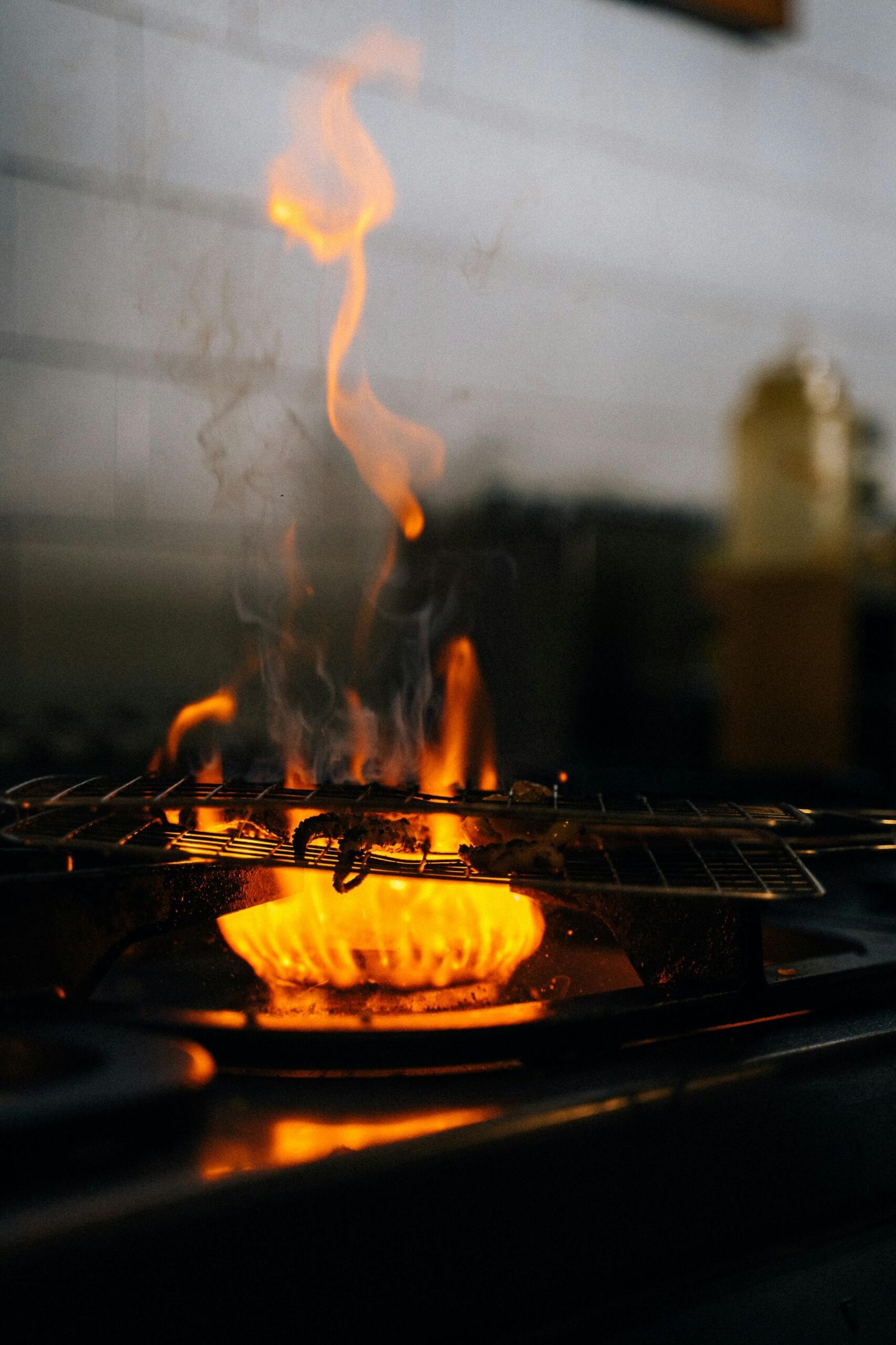
Introduce alternative cooking methods
Induction stoves, electric kettles, and rice cookers can handle smaller kitchen tasks such as boiling water, making tea, reheating food, or cooking quick meals. By distributing cooking tasks across multiple appliances, households reduce their dependence on LPG.
Adopt batch cooking
Preparing larger quantities of food and storing portions for later consumption reduces the need for repeated cooking. This approach saves both time and energy.
Combine kitchen discipline with financial awareness
Energy crises also highlight an important financial lesson. Global disruptions in oil and gas supply influence inflation, markets, and commodity prices. Staying aware of these patterns allows households to manage expenses thoughtfully rather than react with panic.
Calm, strategic households adapt far better during uncertain times. And in most homes, it is women who quietly lead that resilience every day.
