




Global wars rarely stay confined to battlefields. They travel quietly through oil pipelines, shipping routes, and international trade networks before eventually landing somewhere much closer to home: the household budget.
Understanding these signals can help women stay calm, informed, and financially prepared.
When your kitchen starts feeling expensive
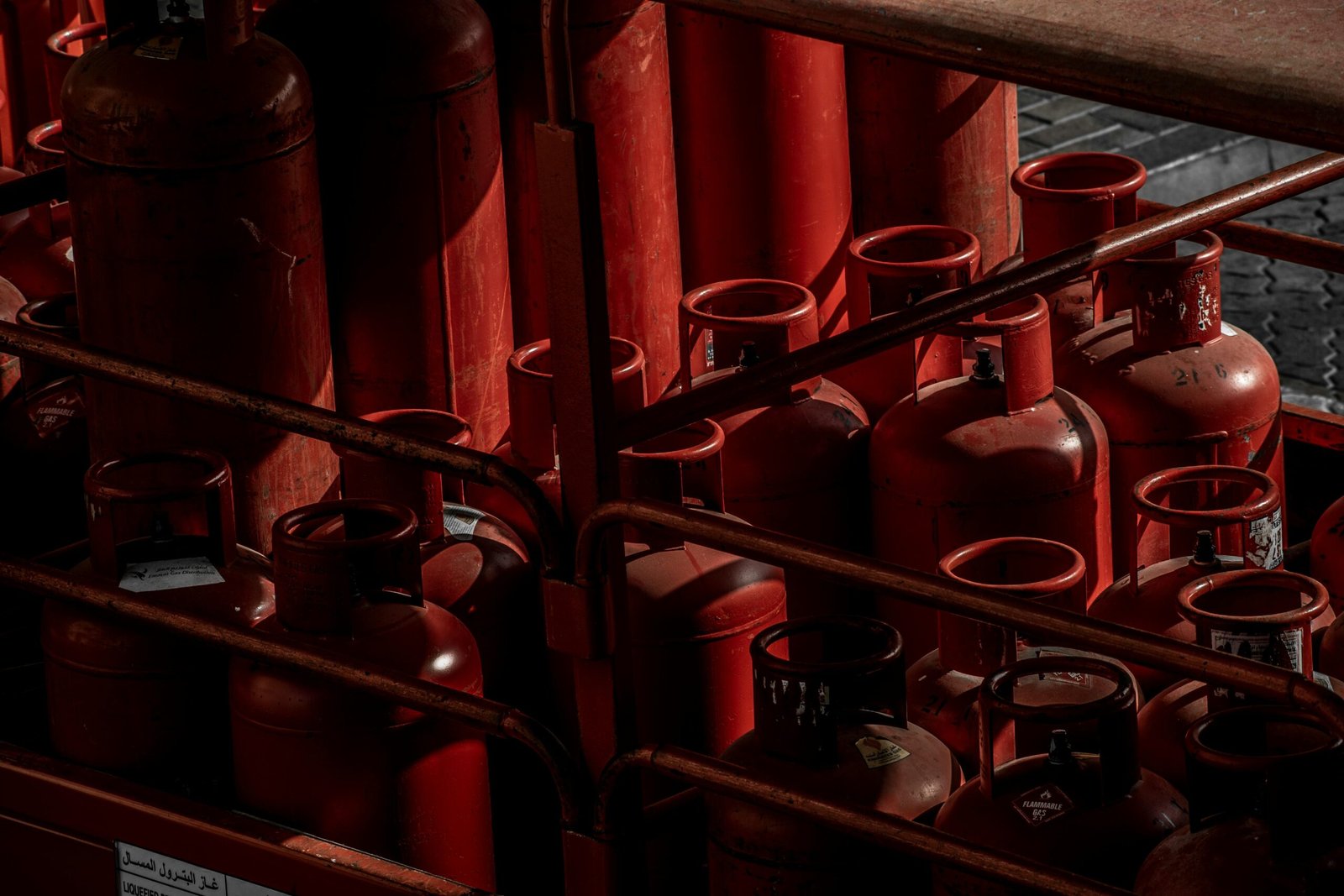
The first signal often appears in the kitchen. When geopolitical tensions affect oil and gas supply routes, energy prices rise quickly. Cooking gas becomes expensive or harder to access, restaurants reduce operations, and families begin noticing that everyday cooking suddenly feels costlier. Women managing household budgets often sense this shift before economists start discussing inflation on television.
When petrol and transport costs climb
Oil disruptions push petrol and diesel prices upward. This may seem like a transportation issue at first, but the ripple effect spreads across the entire economy. Delivery costs rise, commuting becomes more expensive, and businesses pass these costs on to consumers.

When groceries slowly become costlier
Fuel powers the food supply chain. From transporting vegetables to running storage facilities, energy costs affect almost every stage of food distribution. When fuel becomes expensive, grocery bills gradually increase. This is why global conflicts can quietly influence the price of everyday items on your kitchen shelf.
When markets become volatile
Financial markets react strongly to geopolitical tensions. Stock markets often become volatile, commodities such as oil and gold fluctuate, and investors respond to uncertainty. For financially aware individuals, volatility is not just a warning sign but also a reminder to stay informed about how global events influence markets.
When financially aware women prepare instead of panic
The most powerful response to economic uncertainty is awareness. Women who track expenses, maintain emergency savings, and stay curious about financial markets are far less likely to panic during crises. They understand that global disruptions are temporary cycles within larger economic systems.
Financial independence is built through knowledge and preparedness. When women learn to recognize how global events affect everyday expenses, they gain the confidence to make thoughtful decisions rather than emotional ones.
And that confidence is one of the most valuable forms of wealth any household can have.
